Located near South Carolina’s capital city, Congaree National Park remains one of America’s most misunderstood natural attractions. Often criticized online as the “worst national park” by visitors expecting mountain views or dramatic canyons, this 27,000-acre area suffers primarily from perception issues. The complaints are predictable: too many bugs, intimidating wildlife, flooded trails, and limited RV parking. But as local guide Cameron Sabin aptly notes, “They’re just not looking hard enough” – and he’s absolutely right.
Congaree isn’t designed to compete with the monumental landscapes of Yellowstone or Yosemite. Instead, its value lies in preserving something increasingly rare: the largest remaining old-growth bottomland hardwood forest in the United States. This ancient ecosystem has remained largely untouched for thousands of years, offering visitors a glimpse into the primeval world that once covered millions of acres along the East Coast before logging decimated similar environments. Its subtle beauty requires a different kind of appreciation – one that rewards the patient observer with intimate encounters with nature rather than panoramic selfie opportunities.
- Congaree National Park: Often underestimated, a hidden gem waiting to be discovered. Source: https://scliving.coop/topics/jeff_wilkinson/ – scliving.coop
The negative online reviews that have earned Congaree its unfortunate “worst park” reputation ironically highlight exactly what makes it special – its wildness. Visitors complain about spiders “everywhere,” snakes crossing paths, and mosquitoes so numerous that park rangers maintain a “mosquito meter” that occasionally reaches “war zone” status. Rather than deficiencies, these are indicators of a healthy, functioning ecosystem that hasn’t been sanitized for human comfort. Unlike highly developed parks where nature is presented in more controlled settings, Congaree offers an authentic wilderness experience where ecological processes continue as they have for millennia.
What critics miss when dismissing Congaree is its remarkable ecological significance. This mysterious landscape serves as a living laboratory of biodiversity, with its dark beauty hidden in sloughs, creeks, and oxbow lakes. The park’s admission is free, and its gates remain open 24 hours – inviting adventurous souls to experience its charm during nighttime owl walks or early morning paddling excursions when the forest comes alive. As former park ranger Fran Rametta eloquently explains, “The beauty is in the little details. The dragonfly that lands on your finger. The reflection of the pools. The lizard that changes color before your eyes. You get to see miracles.” For those willing to adjust their expectations, Congaree rewards with experiences impossible to find elsewhere.

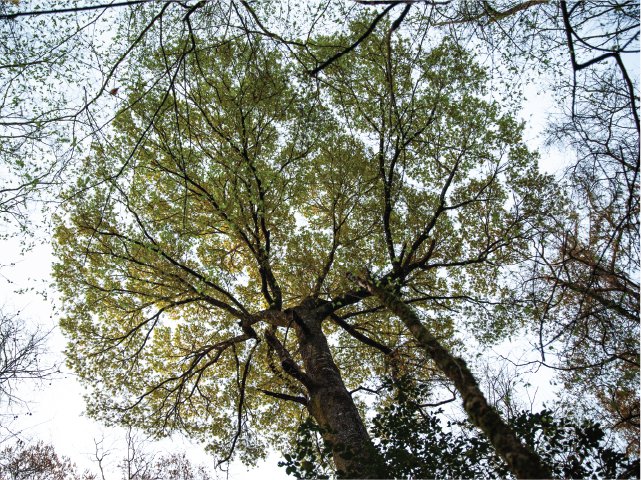
- The towering champion trees are a testament to nature’s majesty. Source: https://scliving.coop/topics/jeff_wilkinson/ – scliving.coop
Congaree’s ancient forest stands as a living monument to what much of the Eastern seaboard once resembled before widespread development. The park boasts an impressive concentration of “champion” trees – 25 of the tallest specimens of their species in the country – creating a canopy that rivals tropical rainforests. Among these botanical giants are loblolly pines reaching heights of 17-story buildings and bald cypress trees more than five centuries old. This forest wasn’t preserved by accident; it survived largely because its remote, flood-prone location made logging operations exceptionally difficult. Conservation efforts beginning in the 1950s eventually led to its protection as a national landmark in 1974, a national monument in 1988, and finally, full national park status in 2003.
Perhaps Congaree’s most famous natural phenomenon is its annual synchronous firefly display – one of only three publicly accessible locations in the United States where these remarkable insects can be observed flashing in perfect unison during their mating season. For approximately two weeks each spring, visitors lucky enough to secure spots through a lottery system witness thousands of fireflies creating a mesmerizing natural light show before disappearing until the following year. The park also serves as a critical habitat for hundreds of bird species, from woodpeckers and owls to eagles and rare migratory birds like wood storks. While some endangered species like the red-cockaded woodpecker have become increasingly rare sightings, the protected forest continues to provide essential habitat in a region where similar ecosystems have vanished almost entirely.
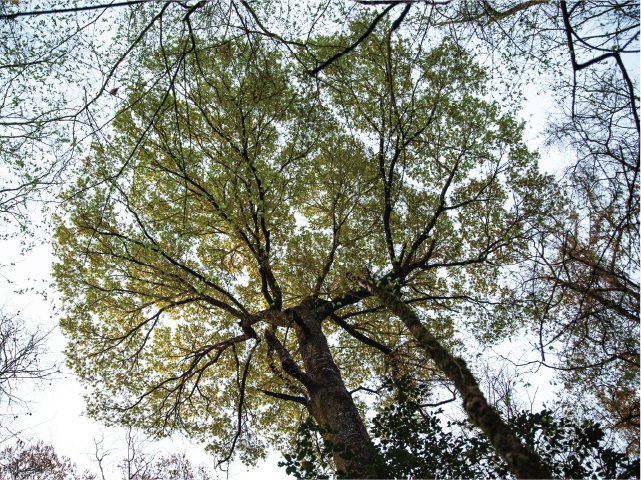
- Exploring the vast wilderness of Congaree National Park. Source: https://scliving.coop/topics/jeff_wilkinson/ – scliving.coop
Understanding Congaree requires a fundamental shift in perspective – recognizing that what some consider “drawbacks” are precisely what make this ecosystem function. The periodic flooding that occasionally closes trails delivers essential nutrients that nourish the champion trees and creates unique aquatic habitats. The snakes, alligators, and spiders that startle some visitors are integral parts of the food web, controlling populations of other species and indicating a healthy, balanced environment. Even the notorious mosquitoes serve important ecological roles as pollinators and food sources for the birds, bats, and fish that thrive throughout the park. As one park ranger humorously noted on social media, “We here at Congaree understand our park just has a little too much nature for some visitors, and that’s okay!”
Visitors who approach Congaree with appropriate expectations and preparation are invariably rewarded with rich experiences. The park’s 2.6-mile elevated boardwalk (currently undergoing a $4.6 million renovation) offers an accessible introduction to the forest for visitors of all abilities, while more adventurous travelers can explore deeper via canoe trips down Cedar Creek or hikes on the more remote trails. The visitor center provides essential orientation with educational exhibits and the famous “mosquito meter” that helps guests gauge what they might encounter. Rather than battling the elements, successful visitors work with them – timing their explorations for cooler months when insects are less active, checking trail conditions before venturing out, and bringing appropriate gear like maps (cell service is limited), water, and yes, insect repellent for the parking lot (to avoid harming sensitive species like the fireflies).
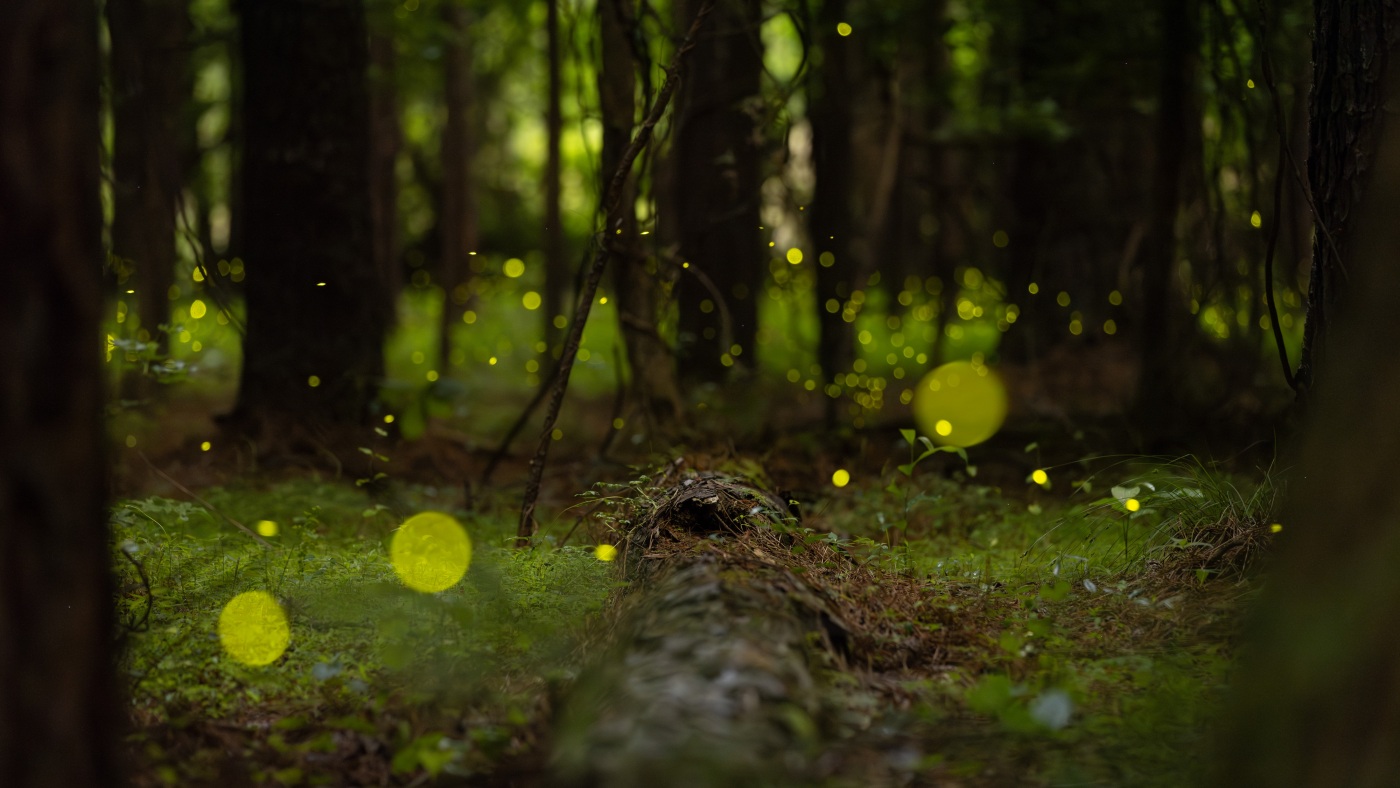
- Witness the magical display of synchronous fireflies at Congaree National Park. Source: https://scliving.coop/topics/jeff_wilkinson/ – scliving.coop
Timing is everything when planning a Congaree adventure. While summer months bring challenging heat and peak mosquito activity, spring and fall offer more comfortable temperatures and equally rewarding wildlife viewing. Winter visits have their own charm, with leafless trees allowing better visibility of the forest structure and reduced insect activity. Before any visit, check the park’s website for current flooding conditions, as water levels can change rapidly and affect trail accessibility. The visitor center staff can provide invaluable guidance on current conditions and help tailor your experience to match your interests and comfort level. Consider bringing binoculars, as many of the park’s highlights – from woodpeckers working high in the canopy to wading birds hunting in distant pools – reward those who look closely.
For first-time visitors, guided experiences offer the most rewarding introduction to Congaree’s unique features. Ranger-led programs like the popular owl prowls provide opportunities to experience the forest at night when many creatures are most active. Local outfitters offer guided paddling trips that showcase the park from its most flattering perspective – on the water. These knowledgeable guides help visitors spot wildlife they might otherwise miss and explain the ecological significance of what they’re seeing. Photographers will find their patience rewarded during early morning hours when fog often clings to the water surface, creating ethereal landscapes unlike anywhere else. Most importantly, approach Congaree with an open mind and a willingness to appreciate its distinctive character. As one local guide observed, “There’s a power there. You just have to look at it in a different way.” Those who do will discover that America’s “worst” national park might just be its most authentically wild.
